The thing I miss most about my days on Stargate is the writers’ room: the camaraderie, the laughs, the heated discussions and, every so often, the occasional creative accomplishments. Don’t get me wrong. It was hard, sometimes frustrating work but, when all was said and done, they were productive sessions that generated some great television. And fun times. We were lucky. A successful writers’ room has as much to do with talent as it does personality. Being good at what you do is important, but so is getting along with others. And, in the case of Stargate, we were fortunate in that respect. We didn’t always agree, but we got along and, in the end, I like to think it showed in the shows we produced – while I was there, some 340 hours of television.
BUT while the writers’ room can offer exhilarating highs, it can also mete out crushing lows. In the case of the former, take last week’s creative output for example. We ended up breaking an episode a day, a blistering pace that is not only impressive but almost unheard of in most rooms. On the flip side, you need look no further than today’s disappointing gathering that wasn’t just unproductive but actually counter-productive in that the basic story we agreed had merit last night suddenly evaporated over the course of the morning, leaving us with NO story heading into the weekend.
Yep, it can be damn frustrating, but it DOES happen. And the reasons why it happens are the following:
1. The story is deemed too similar to something that has come before.
This is a tough one because, if you look harder enough, anything can be deemed similar to something that has come before – especially when you’re talking about science fiction. The Purge was an episode of the original Star Trek series, but that didn’t keep it from making $64 million. Elysium was another movie with similarities to an old Star Trek episode. It made $93 million. Hell, South Park even did in an episode called “Simpsons Already Did It!” in which we are reminded that, just like science fiction, the world animation is fraught with the dangers of unintended imitation.
Closer to home, one of our very first episodes of Stargate: SG-1, “Window of Opportunity”, was unabashedly inspired by the movie Groundhog Day, but that didn’t stop us from producing what turned out to be one of the franchise’s most beloved episodes. And, in the end, the admitted similarities to Groundhog Day, while enormously entertaining, were less important than how OUR characters responded to them.
So, yes, stories involving time loops and bleak alternate realities and emotional robots have been done before. But that doesn’t mean they can’t be done again – so long as you can make them unique to the world and characters you have created.
2. Logic issues.
Even in the far-out world of science “fiction”, you must operate within established parameters. A theoretical FTL drive wouldn’t work that way. You can’t perform an EVA without a space suit. Difficult to argue against these.
3. Suspect character motivations.
This one’s a little tricky because it often comes down to a matter of opinion. “I don’t believe this character would do that.” can be neatly countered with: “Well, I do.” Sure, there are instances where certain actions would be completely out of character – but in these instances, you’re presumably dealing with an idea from a writer who doesn’t know the show. For the most part, character motivations come down to proper set up. Would mercenary Character X risk his life for the robot? At first blush, probably not. But what if the robot just saved his life – AND holds the key to solving the shipboard mystery that could pay off handsomely? Then, maybe he just might.
4. Bias
Yes, it happens. Sometimes, someone just doesn’t like the story or is grouchy and in a combative mood – in which case they’ll attempt to argue #1-3.
Two of the best writers I’ve ever worked with were Brad Wright and Robert Cooper who had two very different approaches in the room. Brad always excelled at pinpointing the heart of the story and finding a way to make it work. To him, the bells and whistles were less important than the emotional crux of the narrative (ie. how it affected our characters on a personal level). Once he could identify that, he would work tirelessly to build a great episode. Robert, on the other hand, was a straight shooter who never shied away from telling you what he felt wasn’t working – BUT, invariably, ALWAYS offered alternative solutions. No one could spin ideas like Rob.
All this to say I miss those guys and could have really used their expertise today.
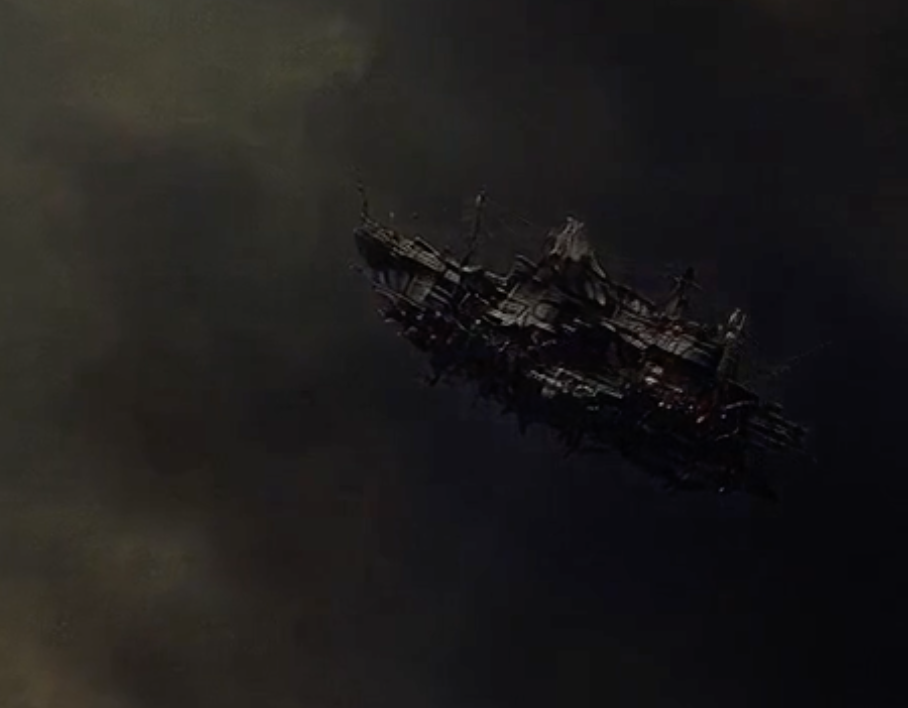
No story brainstorming for me this weekend. I’m taking a break to revise the pilot and put together overviews of our first six episodes covering synopses and production requirements (sets, locations, significant props, and visual effects) for each. It’s all preliminary but it’s designed to ensure we’re all on the same page moving forward. And, hopefully, steers them in the proper creative direction as we head into prep. After all, we’ve got a spaceship to build!



Leave a Reply