
Carol Emshwiller
A master of modern speculative fiction renowned for her dry wit, experimental style, and brilliant deconstruction of genre conventions.
The Mount (2002): This Philip K. Dick Award winner and Nebula finalist envisions a future in which alien conquerors breed humans as literal riding animals. Emshwiller uses a wild premise to deliver a nuanced exploration of servitude, class, identity, and accommodation to oppression.
“Creature” (2001): Winner of the Nebula Award for Best Short Story, this haunting tale follows a reclusive man, one of the last survivors of a devastating war, who takes in a massive, frightened visitor: a child from a species bio-engineered to exterminate humanity.
Carmen Dog (1988): A sharp, surreal satire of gender roles and expectations. This novel imagines a strange metamorphosis that causes women to transform into animals, and female animals to transform into women.
The Start of the End of It All and Other Stories (1990): This World Fantasy Award-winning collection showcases Emshwiller’s most inventive and absurdist short fiction, including the title story in which middle-aged divorcées assist cat-loathing aliens in their plot to remake the planet.

Wilson Tucker
An author who excelled at sobering post-apocalyptic fiction, time travel, and grounded sci-fi thrillers.
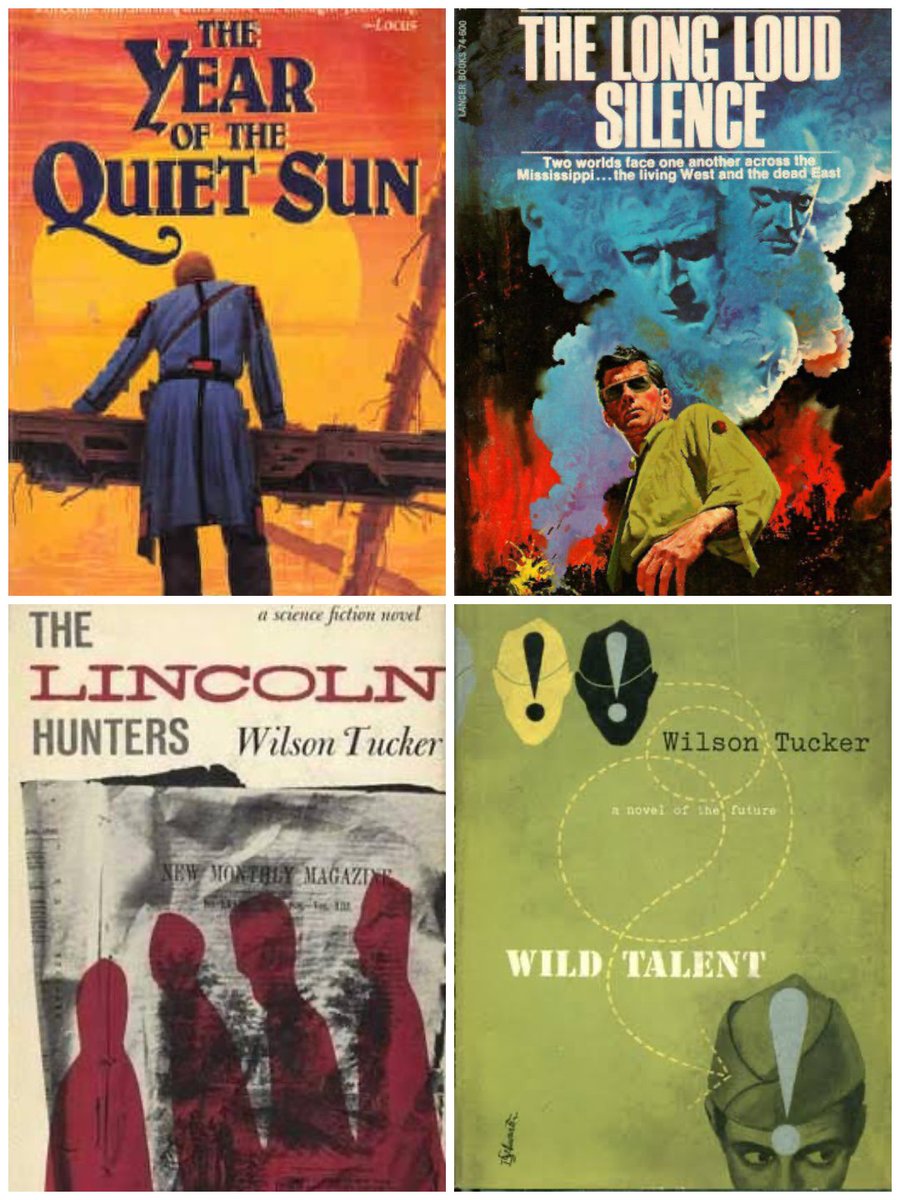
The Year of the Quiet Sun (1970): This haunting time-travel tale follows a civilian scholar recruited for a survey of the near future, where successive jumps forward reveal an America sliding toward collapse. Its bleak emotional ending still hits hard.
The Long Loud Silence (1952): Runner-up to Bester’s The Demolished Man for the inaugural Hugo Award for Best Novel, this is a relentlessly bleak post-apocalyptic tale featuring a cynical corporal navigating a ruined, plague-ridden America east of the Mississippi. It’s notorious for a suppressed original ending in which the protagonist turns to cannibalism—softened at his editor’s insistence.
‘The Lincoln Hunters (1958): A warmer, more human tale about a researcher who travels back in time to record a lost Lincoln speech. Wild Talent (1954): A grounded, paranoia-fueled exploration of espionage and telepathy during the Cold War.
Wild Talent (1954): A grounded, paranoia-fueled exploration of espionage and telepathy during the Cold War.

Chad Oliver
An anthropologist whose deeply humanistic SF was profoundly shaped by his profession.
Shadows in the Sun (1954): A grounded, paranoid thriller set in a small Texas town where something is quietly off about the residents. Instead of a violent invasion, Oliver delivers a brilliant study of assimilation, coexistence, and the unsettling possibility that humanity may be peacefully superseded.
The Winds of Time (1957): An atmospheric, melancholy first-contact tale. A man on a fishing trip in Colorado stumbles onto a cave of aliens who crash-landed 15,000 years ago and slept in suspended animation, expecting to wake once humanity had reached the stars – only to revive two centuries too early. His attempt to help them home leads somewhere quietly poignant.
Unearthly Neighbors (1960): This landmark novel sees a research team attempt communication with the natives of an alien world in the Sirius system – with tragic consequences. It’s a masterpiece exploring inherent biases and the intense barriers to understanding unfamiliar cultures.
The Shores of Another Sea (1971): Set in Africa, this thoughtful novel explores first contact through the lens of a scientist studying baboons, unaware that he and his outpost are actually the subjects of an otherworldly behavioral experiment.
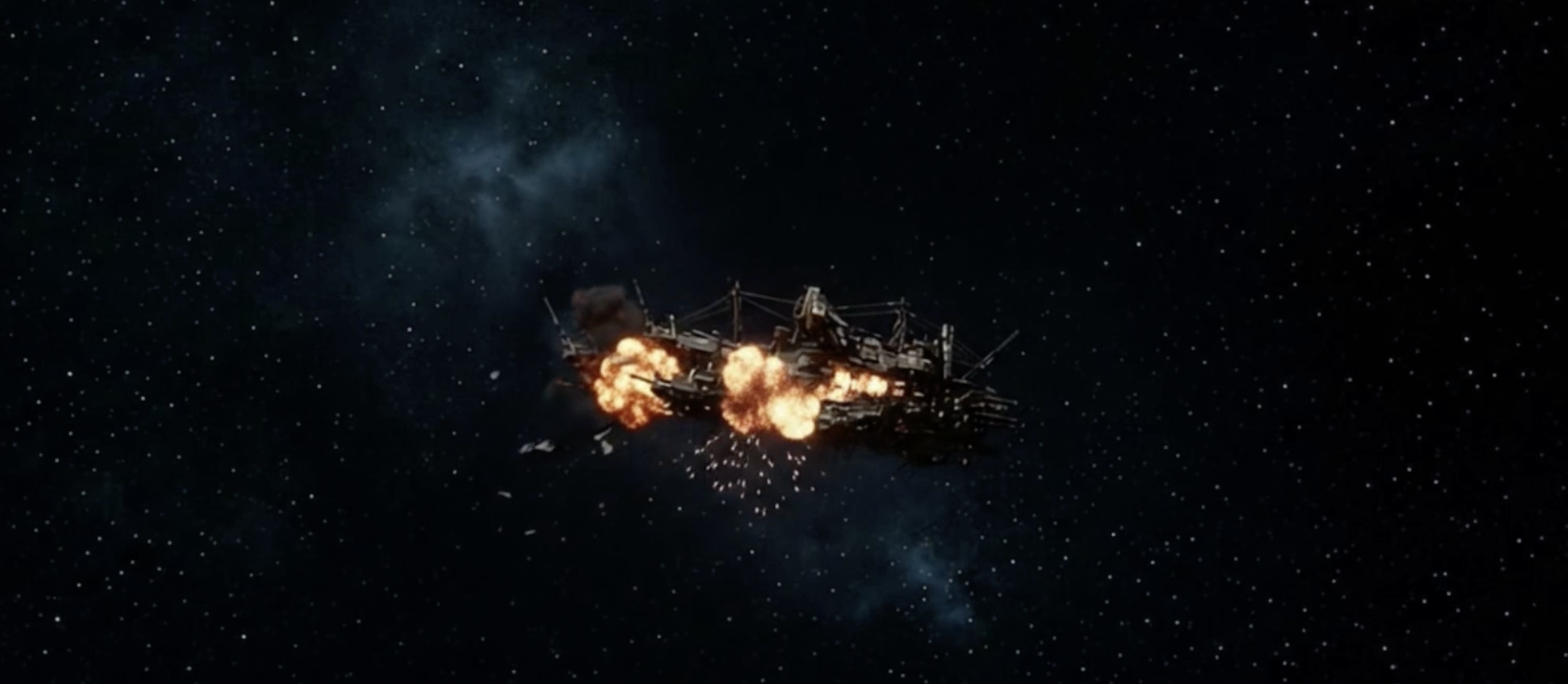
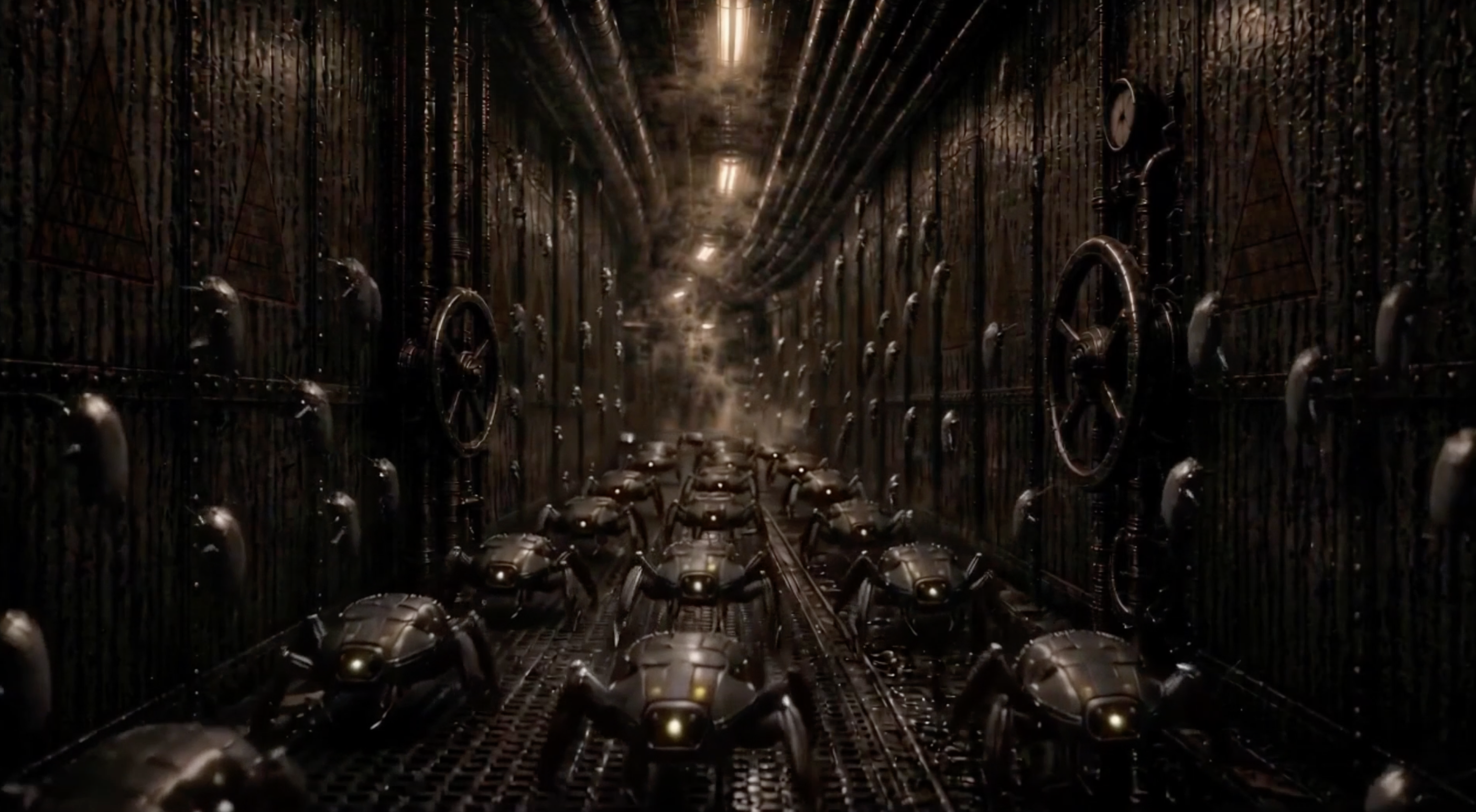
Finally….we’ve come down to our final two starfighter contenders. Choose!

vs




Leave a Reply